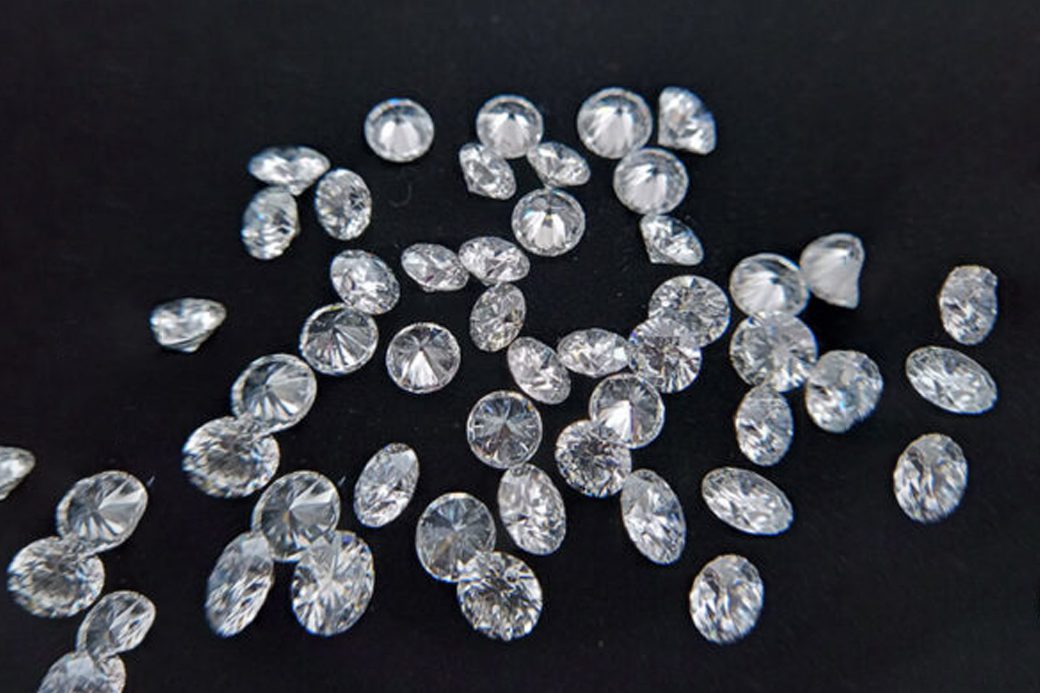

Choosing Between Natural and Manmade Diamonds: A Buyer’s Guide
Throughout history, diamonds have held a special place in human culture. They symbolize commitment, rarity, and permanence. But the jewelry market has transformed. Today's shoppers have an option that didn't exist a generation ago: gemstones grown in facilities versus those extracted from the earth.
The two types of diamonds are both real. They are both stunning and durable, exhibiting the same characteristics. But there are also differences in terms of the story behind them, the price, and the influence-so when you recognize these differences, it will be easier for you to choose the one that matches your values and needs.
How Two Very Different Diamonds Form
The origin of a diamond fundamentally shapes its identity and character.
Natural Diamonds re obtained from the deep crust of the Earth. Over a period of approximately three billion years, intense pressure and extremely high temperatures convert carbon into crystal structures under the Earth's crust. Then, geological activity brings these stones closer to the surface where they are found and extracted. Each diamond mined from this process has been around for a long time—it is a geological specimen that was formed long before humans inhabited the earth.
Laboratory-Created Diamonds are produced through various high-tech approaches that imitate the natural process. In specialized laboratories, researchers take carbon materials and apply precise heat and pressure, resulting in diamond formation in a matter of weeks or months. Instead of relying on nature for the slow process of geological transformation, this method uses technology to speed it up and thus mimic nature's work, but only in a much shorter span of time.
Is a Lab-Created Diamond Actually a Diamond?
Absolutely, without question.
From the perspective of science, the diamonds produced in labs and the diamonds obtained from the earth cannot be chemically differentiated. The atomic structure of both the diamonds is composed of carbon atoms arranged in the same way. They have the same hardness, refractive index, and other optical qualities. They are, indeed, equivalent gemstones to the naked eye and under normal jewelry testing.
The sole significant difference is the place where they come from. Synthetic diamonds relate to mined diamonds just as manufactured steel relates to naturally mined iron ore. In both cases, it is the same element - carbon - that they are produced from, with the same physical properties, but they just happened to come by different routes.
Professional gemologists, as well, are unable to tell a lab diamond from a natural diamond if relying solely on visual inspection. Only the use of specialized laboratory equipment can uncover the very minute growth markers or internal features that indicate the diamond's technological lineage.
Side-by-Side Comparison
Understanding the practical differences helps clarify which option suits your situation.
AspectNatural DiamondLab-Created DiamondCreation ProcessNatural geological formation over billions of yearsTechnological synthesis in laboratory setting, weeks to monthsMaterial CompositionPure carbon crystalline structurePure carbon crystalline structureCostHigher price pointGenerally 40-70% less expensive for equivalent specificationsInvestment PotentialEstablished resale market with some value retentionLimited secondary market, minimal investment returnEnvironmental FootprintMining operations have significant land and ecosystem impactsLower mining impact but substantial energy consumptionDurabilityExtremely hard and scratch-resistantIdentical hardness and durability
The most obvious distinction is cost. A laboratory-created diamond of equivalent size and quality typically costs substantially less, allowing buyers to either save money or allocate their budget toward a larger or higher-quality stone.
Making Your Decision: Which Type Fits Your Needs?
The right choice depends entirely on what matters most to you personally.
Consider a Natural Diamond if:
You are intrigued by the tale of rarity through geological processes. The thought that your diamond was formed in the earth's core millions of years ago, went through the volcanic processes and time still carries with it a great deal of resonance for you. You give priority to the traditional way of investment and the possibility of appreciation. The physical market image and the historical importance belonging to diamonds from the ground are your preferences. To your decision making, the fact that the "Earth-sourced" stones are genuine is a very important point.
Consider a Lab-Created Diamond if:
Your most crucial aim is to get the best quality and the biggest stone possible within your budget. You are not afraid to sacrifice the investment aspect for the sake of the visual effect. You are worried about the mining methods and their impact on nature. The scientific miracle of producing diamonds is something that you find intellectually appealing. You consider the economical aspect-getting more diamond for less price-more important than the historical
Final Thoughts
Whether you select a diamond that emerged from Earth's depths or one synthesized in a modern facility, you're acquiring a genuine, brilliant, durable gemstone. Your decision reflects your values, financial situation, and what a diamond means to you personally.
The key is making an informed choice. Purchase from a jeweler who provides transparent documentation about your diamond's origin and specifications. Whether your stone is mined or laboratory-created, proper certification ensures you understand exactly what you're acquiring and can shop with confidence.
Your perfect diamond is waiting—choose the one that aligns with what matters most to you.