When you see a diamond, most likely you envision a diamond ring or other forms of jewelry that signify wealth/luxury. However, diamonds are much more than just beautiful stones. Here are some intriguing diamond facts that may change your perspective on diamonds forever.
1. Diamonds Are Actually Really Old (Like, Ancient)
The majority of the diamonds in your local jewelry store were created over 1 billion – 3 billion years ago. Yes, now you understand that the diamond in your grandmother’s ring is likely older than the dinosaurs (roughly 65 million years before the dinosaurs existed). Most diamonds were created deep beneath the Earth’s crust at a depth of approximately 100 miles where they were subjected to intense heat and pressure prior to their creation. The diamonds were eventually returned to the earth’s surface due to a volcanic eruption, allowing people to find them.
2. Not All Diamonds Are Clear
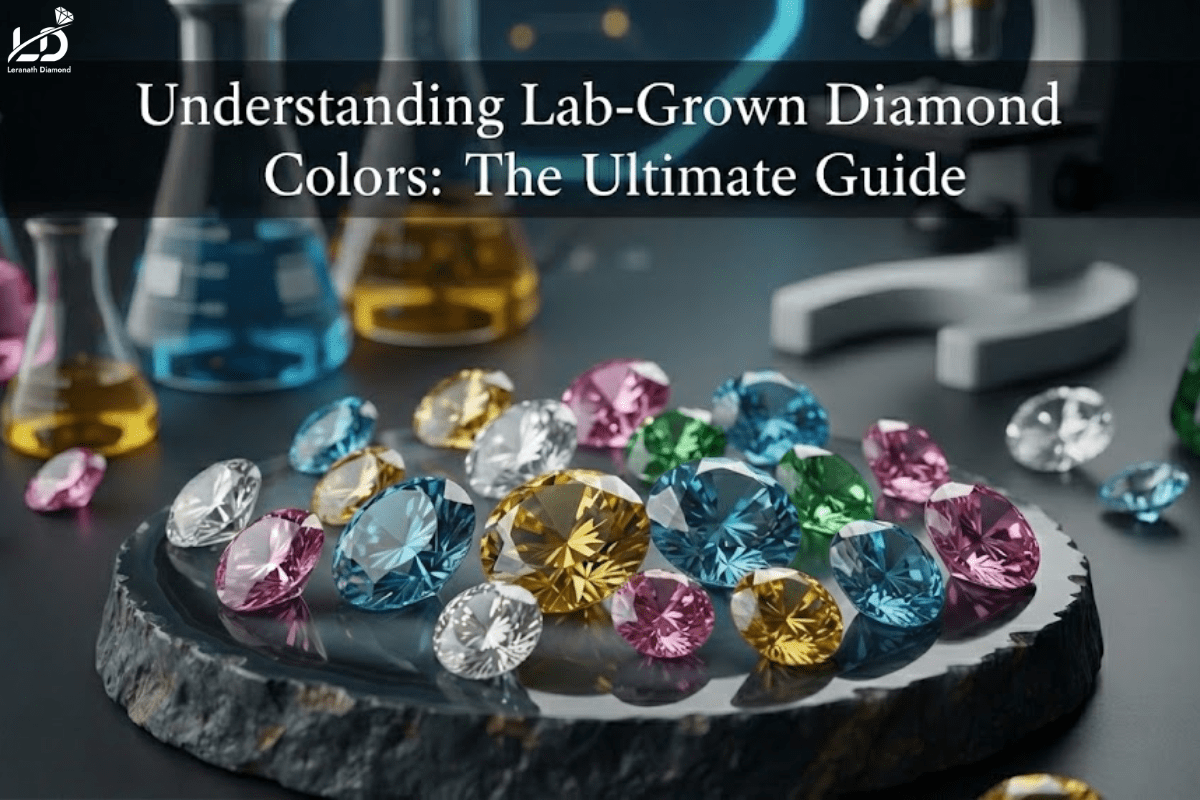
Most people think of clear, colourless diamonds when they think of diamonds. However, diamonds can be found in virtually every color. Diamonds can be pink, blue, yellow, and even red, which is one of the rarest forms of coloured diamond.
The different colors occur due to small amounts of impurities within the crystal or because of different ways the diamond was formed, as in the case of blue diamonds, which contain boron, and yellow diamonds, which contain nitrogen. Some of these coloured diamonds are also worth much more than their clear counterparts.
3. Diamonds Aren’t Actually Forever
The famous slogan “A Diamond Is Forever” is catchy, but it’s not entirely accurate. Diamonds can burn. If you heat a diamond to about 763 degrees Celsius in the presence of oxygen, it will catch fire and turn into carbon dioxide. They can also chip or crack if hit at the right angle. So while they’re incredibly hard, they’re not indestructible.
4. Most Diamonds Never Become Jewelry
Here’s something that surprised me: only about 20% of mined diamonds are good enough quality to become gemstones. The rest are used for industrial purposes. Because diamonds are the hardest natural material on Earth, they’re perfect for cutting, grinding, and drilling tools. Your dentist’s drill probably has diamond bits in it.
5. There’s a Planet Made of Diamonds
Astronomers discovered a planet called 55 Cancri e that’s roughly twice the size of Earth. Scientists believe a significant portion of this planet could be made of diamond. Due to the extreme heat and pressure present on this planet, it is believed that carbon has been converted into diamonds. It lies approximately 40 light-years distant, so it would be unwise to contemplate a mining expedition at this moment.
6. Lab-Grown Diamonds Are Real Diamonds
Lab-created diamonds are often mistaken for being fake or at least of inferior quality. This is NOT correct, as lab-created diamonds have exactly the same chemical composition, crystal structure, and all of the same physical properties as a natural diamond.
The only difference in the two types of diamond is the location in which they were formed – lab-created diamonds are formed in a laboratory during a matter of weeks to months while natural diamonds were formed within the interior of the Earth over billions of years. Even jewelers who specialize in the industry need very specific equipment in order to recognize the difference between lab-created and natural diamonds.
7. Diamonds Rain on Jupiter and Saturn
According to scientists, it’s possible that Jupiter and Saturn have “diamond rain” as a result of methane in their atmosphere being created by lightning storms. When a lightning storm occurs, methane molecules break down, creating carbon atoms that are then formed under extreme pressure into diamond droplets, or “raindrops,” that fall towards their cores. Some of these diamonds can be as large as 1 cm. Pretty cool, right?
Final Thoughts
People have long been fascinated with diamonds, and many reasons exist to explain this fascination. A few examples are: diamonds tell the story of Earth’s history, allow exploration of new technology, and can exist outside of Earth. So, when you catch sight of that glittery, shiny diamond again, remember that it has far more meaning than something that looks good!
Diamond are an excellent example of how creative and inventive nature can be! And, who knows? Someday we might find a way to capture the diamond rain of Saturn!